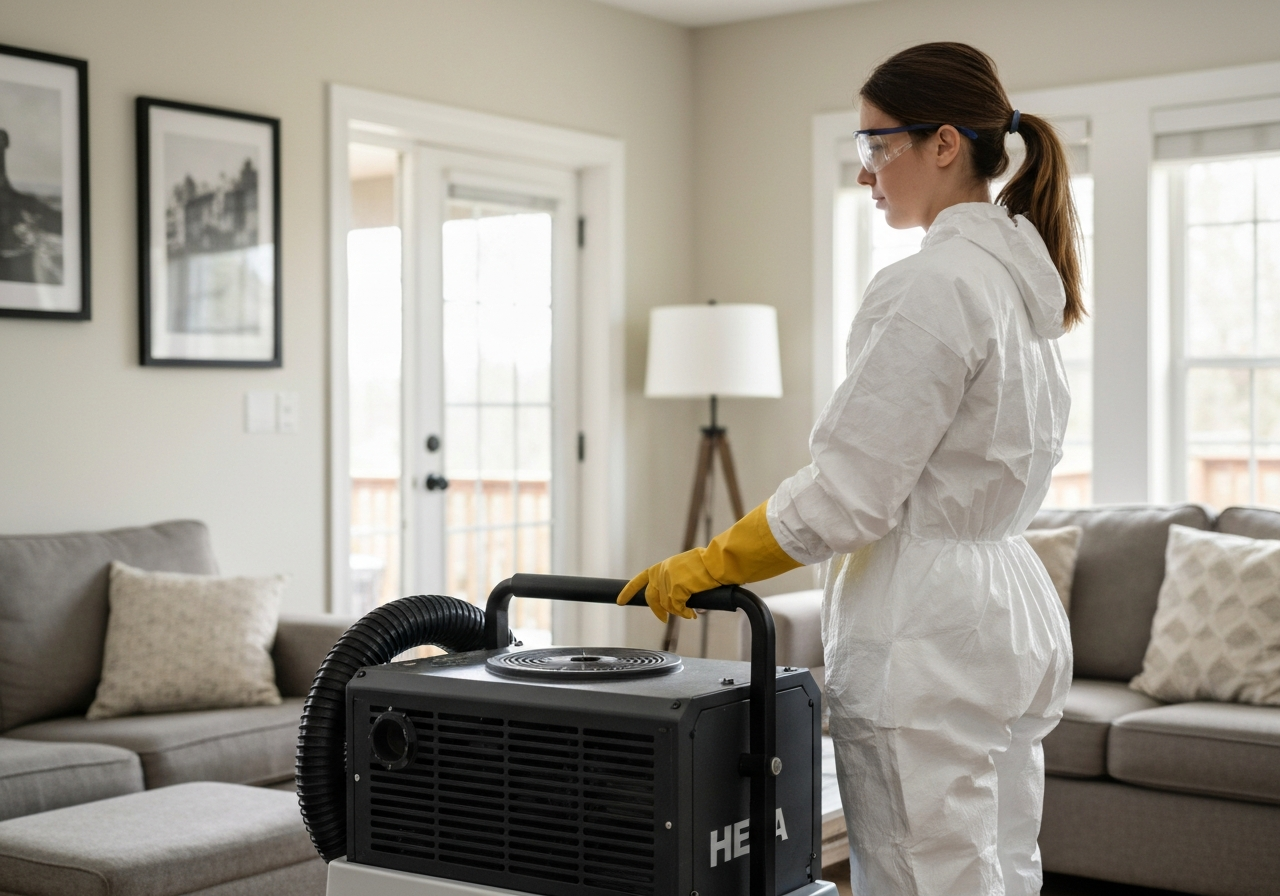
July 10, 2026
5 Hidden Signs of Mold in Your Macon Home
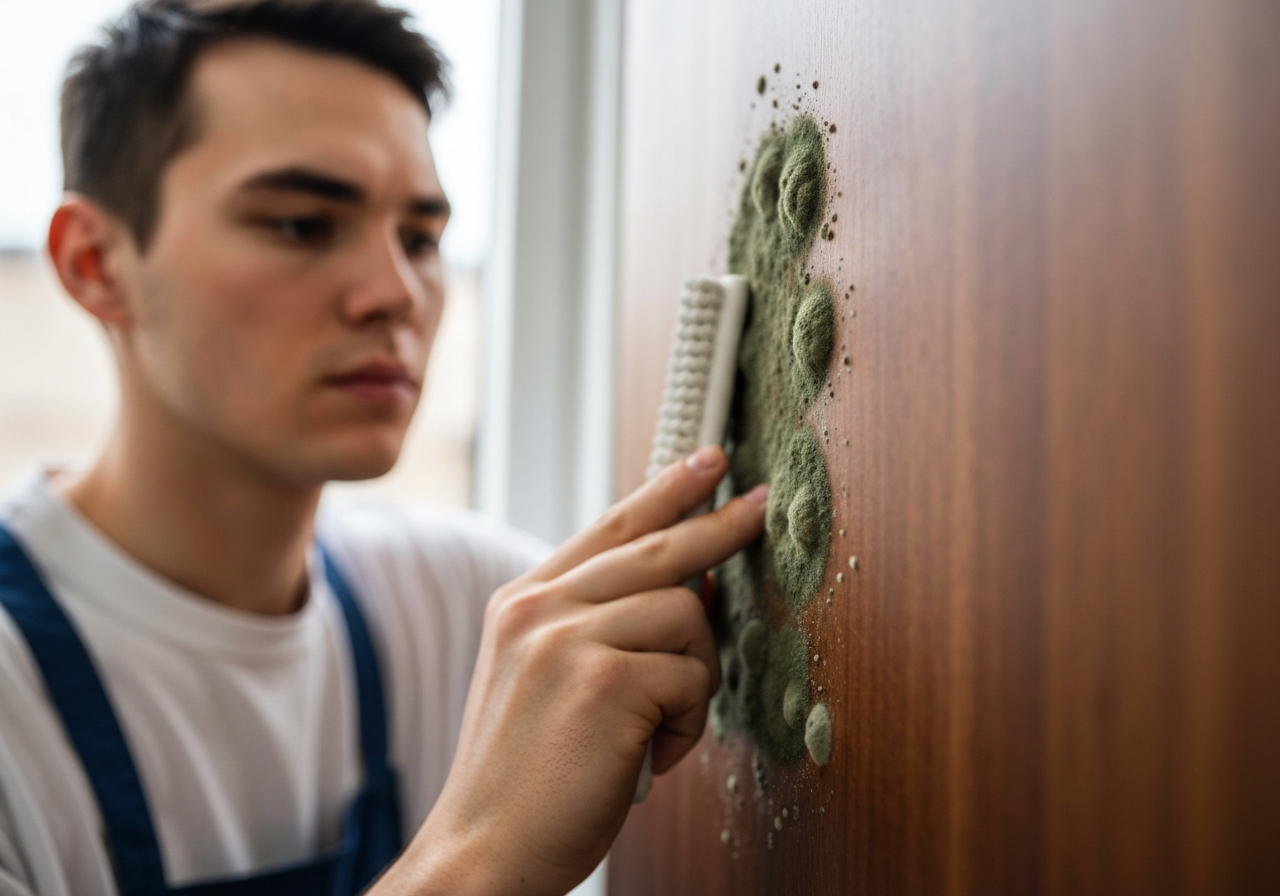
Mold is not always easy to see. While some infestations appear as obvious black, green, or white patches, others develop behind drywall, beneath flooring, inside cabinets, or within heating and cooling systems.
Macon’s warm, humid climate can make hidden moisture problems especially concerning. Roof leaks, plumbing failures, condensation, and poor ventilation may allow mold to grow for weeks or months before homeowners notice visible damage.
Recognizing the early warning signs can help you locate moisture problems and address them before they become more extensive.
Why Mold Often Remains Hidden
Mold can grow anywhere moisture remains trapped and suitable materials are present. Drywall, wood, insulation, carpet, ceiling tiles, and dust can all support growth under the right conditions.
Common hidden locations include:
- Behind drywall
- Under carpet or flooring
- Beneath sinks and cabinets
- Around showers and tubs
- Inside crawl spaces and attics
- Near leaking windows
- Around air-conditioning equipment
- Behind appliances
- Inside wall cavities near plumbing lines
Because these areas are not part of a homeowner’s daily view, mold may continue growing until it produces odors, stains, damaged materials, or other noticeable changes.
1. Persistent Musty Odors
A musty, earthy, or damp smell is one of the most common signs of hidden moisture and possible mold growth.
The odor may resemble wet cardboard, damp fabric, an old basement, or wet socks. It may be strongest in a particular room, closet, cabinet, or area near an air vent.
Pay attention when the smell:
- Returns after cleaning
- Becomes stronger during humid weather
- Appears after rain
- Is concentrated near a bathroom or kitchen
- Comes from vents when the HVAC system runs
- Is strongest near floors, walls, or cabinets
Air fresheners may temporarily cover the odor, but they will not address the source. A persistent musty smell should be investigated for leaks, condensation, damp materials, or hidden growth.
2. Symptoms That Improve Away from Home
Sneezing, coughing, watery eyes, throat irritation, or congestion can have many possible causes, including dust, pollen, pets, seasonal allergies, and indoor air-quality problems.
However, it may be worth investigating the home when symptoms:
- Begin or worsen indoors
- Improve after leaving the house
- Are strongest in one room
- Become noticeable when the HVAC system operates
- Started after a leak, flood, or water-damage event
These symptoms do not prove that mold is present. A medical professional should evaluate ongoing health concerns, while a qualified property professional can inspect for moisture and possible mold growth.
3. Peeling Paint or Wallpaper
Paint that bubbles, blisters, cracks, or peels may indicate moisture trapped behind the surface. Wallpaper may also loosen, curl, stain, or separate at the seams.
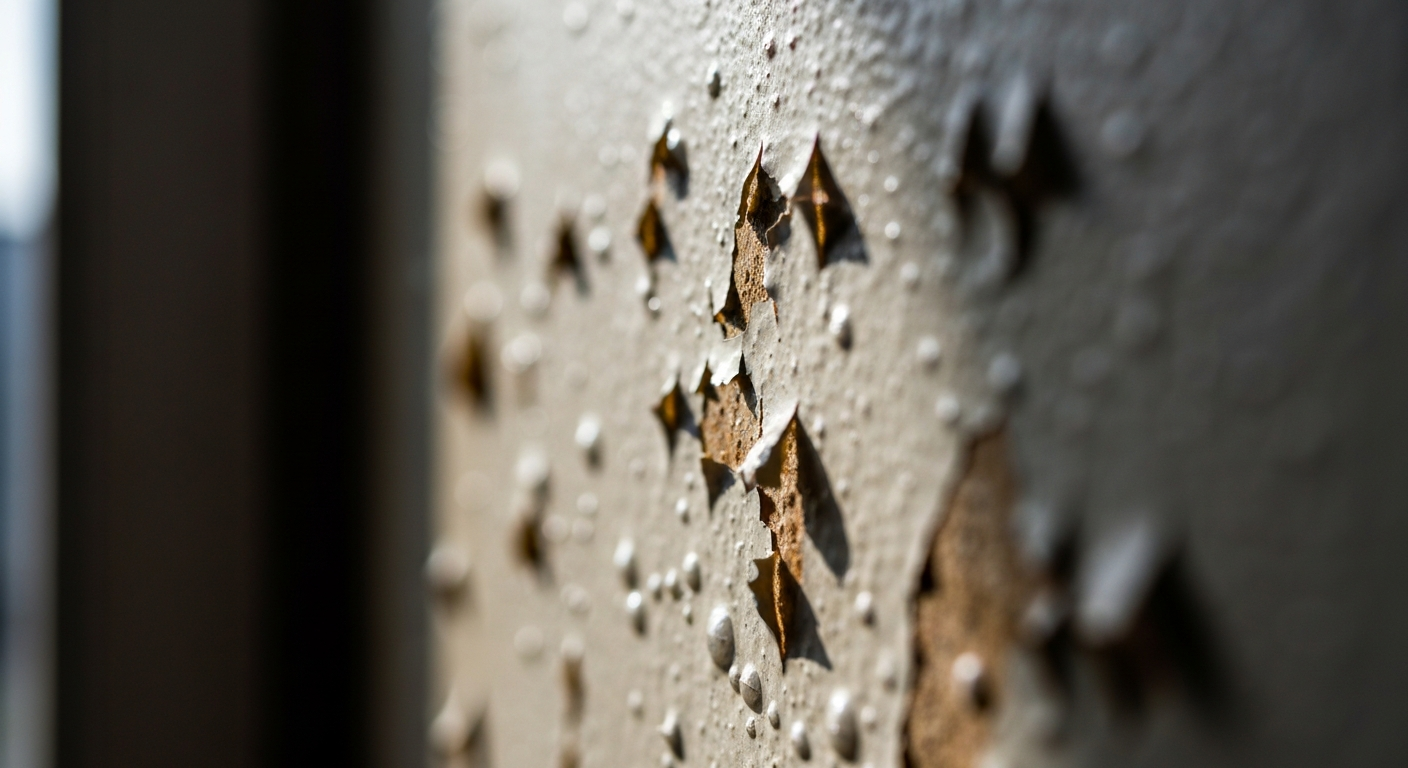
These changes often appear near:
- Bathrooms
- Kitchens
- Laundry rooms
- Exterior walls
- Windows
- Plumbing fixtures
- Rooflines
- Air-conditioning equipment
Mold does not automatically grow behind every damaged surface, but persistent moisture creates conditions where growth may develop.
Repainting or replacing wallpaper without correcting the leak will only hide the problem temporarily.
4. Dark Spots Along Baseboards or Walls
Small black, green, gray, brown, or white spots may appear along baseboards, lower walls, window frames, cabinets, or flooring edges.
These marks can be easy to overlook, especially when they appear in corners or behind furniture.
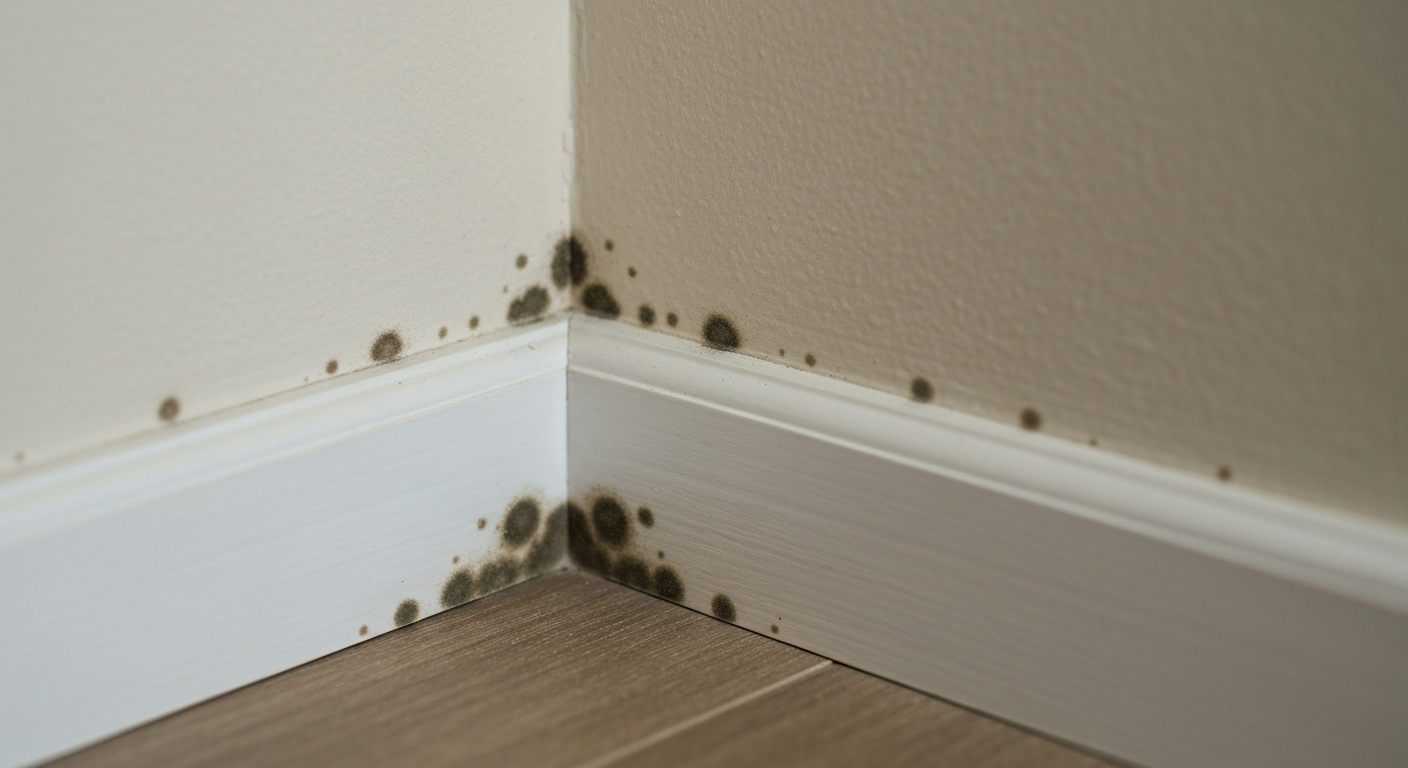
Common problem areas include:
- Behind toilets
- Beside bathtubs and showers
- Under windows
- Near exterior doors
- Beneath sinks
- Along carpet edges
- Around plumbing penetrations
- On walls beside crawl spaces
Not every dark mark is mold. Dirt, soot, insect residue, and water stains may look similar. However, spots that spread, return after cleaning, or appear beside moisture damage should be professionally evaluated.
Avoid brushing, sanding, or scraping a large area of suspected mold, as disturbing the material may spread dust and spores.
5. A History of Leaks or Water Damage
Previous water damage is one of the strongest reasons to suspect hidden mold, particularly when the affected area was not dried quickly and thoroughly.
Possible sources include:
- Roof leaks
- Burst or leaking pipes
- Overflowing toilets or bathtubs
- Water-heater failures
- Appliance leaks
- Storm damage
- Window leaks
- Foundation seepage
- Air-conditioning drain problems
Even when the visible surface appears dry, moisture may remain inside drywall, insulation, framing, cabinets, or subflooring.
Warning signs may develop weeks or months after the original incident, including odors, stains, warped materials, soft drywall, or recurring discoloration.
Other Signs of Hidden Mold or Moisture
Hidden mold may also be associated with:
- Warped or buckled flooring
- Swollen baseboards
- Soft drywall
- Sagging ceilings
- Condensation around windows or vents
- Damp insulation
- Rusted pipes or fasteners
- Recurring humidity
- Unexplained water-bill increases
- Stains that return after painting
A single warning sign may have another explanation. Multiple symptoms in the same area make a hidden moisture problem more likely.
Why Macon Homes Are Vulnerable
Macon experiences long periods of heat and humidity. Warm, moisture-filled air can enter homes through crawl spaces, attics, wall openings, and ventilation systems.
When humid air reaches cooler surfaces, condensation may form on:
- Ductwork
- Plumbing lines
- Floor joists
- Subflooring
- Windows
- Exterior walls
- Air-conditioning components
Heavy rain and storms can also expose weaknesses in roofs, gutters, foundations, siding, and windows.
Maintaining indoor humidity, repairing leaks, and checking hidden areas regularly can reduce the chance of mold growth.
How Professionals Locate Hidden Mold
A professional inspection generally begins by looking for the source of moisture rather than simply searching for visible spots.
Depending on the situation, an inspector may use:
- Moisture meters
- Thermal-imaging equipment
- Humidity readings
- Visual inspections
- Small targeted openings
- Air or surface sampling when appropriate

Thermal imaging may help identify unusual temperature patterns, while moisture meters help determine whether building materials are damp.
Testing alone does not repair the problem. Any successful remediation plan must also address the water or humidity source.
What to Do If You Suspect Hidden Mold
Do not immediately open walls or remove flooring without understanding the extent of the problem. Disturbing contaminated materials can spread debris into unaffected areas.
Take the following steps:
- Look for active leaks or visible moisture.
- Stop the water source when it is safe.
- Avoid directing fans toward suspected mold.
- Keep children and pets away from damaged areas.
- Photograph visible stains or deterioration.
- Contact a qualified mold-remediation or water-restoration professional.
- Seek medical advice for persistent health symptoms.
When water is near wiring, outlets, or electrical equipment, avoid the area and contact a qualified professional.
Why Early Action Matters
Hidden mold problems generally become more difficult to correct as moisture spreads through walls, floors, insulation, and framing.
Early intervention may help:
- Limit the affected area
- Reduce material removal
- Prevent additional structural damage
- Protect flooring and cabinets
- Improve indoor comfort
- Reduce restoration costs
- Prevent recurring odors
Cleaning the visible surface will not provide a lasting solution when hidden moisture remains.
Protect Your Macon Home from Hidden Mold
Persistent odors, moisture-damaged finishes, dark spots, unusual indoor symptoms, and a history of leaks can all point to a hidden mold problem.
These signs do not always confirm mold, but they should not be ignored—especially in Macon’s humid climate.
A professional inspection can help locate hidden moisture, determine how far the damage has spread, and recommend the appropriate cleanup and repair process. Acting early can help protect your home and prevent a manageable moisture problem from becoming a larger restoration project.
Need Help with Mold?
Contact us today for a professional inspection and honest advice about your property in Macon.
Call +1 629-284-4946